
Cylinder scuffing is a professional term in automotive maintenance. Engine cylinder scuffing refers to obvious longitudinal mechanical scratches and scoring formed on the inner cylinder wall within the travel range of piston rings. Severe cases lead to adhesive wear, causing faults such as difficult engine starting or spontaneous stall. Generally, it refers to abnormal adhesive fusion marks on three components: cylinder wall, piston and piston rings, serving as a general term for cylinder-related failures.
Cylinder scuffing is a severe engine failure. Its root cause is the failure to form an intact oil film between the cylinder liner inner wall, piston rings and piston, resulting in insufficient lubrication and even dry friction.
The term “cylinder scuffing” refers to deep grooves scored on the cylinder inner wall, which break the sealing performance of the friction pair formed by the piston, piston rings and cylinder wall. This will lead to reduced cylinder compression pressure and power loss. Downward blow-by of combustible mixture increases crankcase pressure and may trigger crankcase explosion in severe cases. Lubricating oil flows upward into the cylinder and causes oil consumption; thick exhaust smoke, abnormal engine noise, unstable operation or even engine stall will occur consequently.
To summarize, cylinder scuffing is a failure phenomenon where the piston or piston rings score the cylinder working surface, destroying the sealing performance of the piston-ring-cylinder friction pair.
Symptoms of Cylinder Scuffing
1. Reduced cylinder compression pressure and power loss;
2. Downward blow-by of combustible mixture raises crankcase pressure, which may lead to crankcase explosion under severe conditions;
3. Lubricating oil creeps upward into the cylinder and causes excessive oil consumption;
4. Heavy exhaust smoke, abnormal engine noise, unstable operation or complete stall.
Root Causes of Cylinder Scuffing
The main triggering factors are listed below:
1. Excessively small fit clearance between piston and cylinder liner
The piston-cylinder fit clearance shall strictly comply with the specifications in the diesel engine operation manual. Excessive clearance will lead to difficult cold start, piston knocking noise under cold conditions and power drop. Insufficient clearance will cause cylinder scuffing and piston seizure.
This failure occurs more easily for pistons made of aluminum alloy with a large linear expansion coefficient. If the operation manual of the target engine is unavailable during overhaul, reference the clearance parameters of similar models. Air-cooled diesel engines generally adopt slightly larger fit clearances than water-cooled types. For a four-stroke water-cooled diesel engine with a 100 mm bore and aluminum piston, the standard fit clearance ranges from 0.120 mm to 0.150 mm.
2. Insufficient ring end clearance of piston rings
Insufficient piston ring end clearance or back clearance will generate excessive friction between rings and cylinder wall. Severe carbon deposits inside the cylinder, contamination during assembly or unclean lubricant will also score the liner surface.
If the piston ring end clearance is too small, replacing new rings on a worn cylinder may cause the top compression ring to strike the cylinder liner shoulder; over-expansion of ring ends during assembly may result in ring fracture.
Insufficient side clearance, assembly without special tools leading to helical ring deformation and elastic stress, or heavy carbon accumulation will cause piston ring seizure.
Excessively large ring end clearance or side clearance, reversed installation of twist rings and taper rings, and clogged oil holes due to dirty lubricant will cause oil blow-by.
Abnormal noise originates from impacts at ring ends (small end clearance), impacts between rings and piston ring lands (excessive side clearance), and collisions between the top compression ring and liner shoulder after ring replacement on worn cylinders.
3. Piston ring fracture
Excessive piston tilt inside the cylinder produces elliptical and tapered liner wear, forming distinct wear shoulders on the upper liner section within the stroke range of piston rings. Reciprocating motion creates tapered wear along the stroke direction and irregular oval wear circumferentially; the maximum ovality appears at the position of maximum liner wear. Areas of the liner untouched by piston rings remain unworn, forming prominent wear shoulders.
During power strokes, gas pressure pushes the piston toward bottom dead center, shifting motion from reciprocation to rotation. The lateral force exerted by piston rings on the liner peaks along the crankshaft plane, resulting in biased liner wear (maximum wear perpendicular to the crankshaft axis). Bent crankshafts, bent connecting rods, non-perpendicular alignment between the cylinder liner centerline and crankshaft axis, and excessive crankshaft axial clearance all induce biased wear and uneven stress distribution, eventually breaking piston rings.
When bearing clearance is excessive, or clearances of piston pins and connecting rod bronze bushes are oversized, obvious wear shoulders form on the upper liner and the top compression ring becomes most prone to fracture. Rings may seize on the piston, or piston pin circlips may break or fall off.
4. Piston tilting and tight contact with the cylinder wall
Piston deformation, offset piston pin bores, misaligned cylinder boring, bent/twisted connecting rods, and unbalanced crank pins and main journals concentrate piston pressure on partial liner surfaces. The oil film between the liner and piston rings becomes extremely thin or ruptures under heavy localized pressure, eliminating lubrication and generating dry friction that triggers cylinder scuffing.
5. Long-term poor atomization of fuel injectors (carburetors)
Fuel injectors are ultra-precise automotive components for gasoline combustion. High operating temperature forms carbon deposits and colloidal sediments on injector surfaces, nozzles and needle valves during long-term service. These deposits block and stick injectors, causing fuel leakage, poor atomization or complete fuel cut-off. Consequences include higher fuel consumption, power loss, unstable idle speed, slow acceleration and difficult cold start. Test data indicates that a mere 10% reduction in fuel injection flow leads to incomplete combustion, degraded performance, increased fuel consumption and elevated exhaust temperature. Timely injector cleaning is required to restore combustion efficiency.
6. Malfunction of piston cooling nozzles
Some engines rely on piston cooling nozzles mounted on connecting rod bearings to spray lubricating oil onto piston pins for piston cooling. If nozzle oil injection fails for any reason, the piston crown overheats, melts and causes cylinder scuffing. Functions of lubricating oil: cooling, lubrication, cleaning, sealing and rust prevention.
7. Poor engine cooling and overcooled operation
Engine operation with coolant temperature below 65°C is defined as overcooled running. This occurs if the engine starts heavy-load operation before the coolant reaches normal temperature, or if the thermostat opening temperature is too low to trigger premature large coolant circulation. When cylinder liner temperature drops from 800°C to 500°C, liner wear increases approximately fivefold. Wear is significantly reduced when liner temperature stabilizes between 80°C and 85°C. Low coolant temperature slows diesel fuel vaporization, extends ignition delay, deteriorates combustion and impairs overall operating performance.
Failures Originating from the Piston Assembly
1. Insufficient piston ring clearance. If the piston ring end clearance, side clearance or back clearance is undersized, thermal expansion during operation seizes the rings tightly against the cylinder wall. Ring fracture will also score deep grooves on the liner surface.
2.Piston pin slippage. If the piston pin circlip is not installed, falls off or breaks, the piston pin will slide outward during operation, which easily scratches the inner wall of the cylinder and causes gas blow-by from the cylinder to the crankcase.
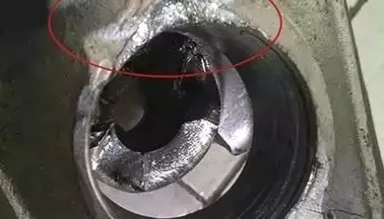
3. Improper piston-to-cylinder fit clearance (too small or too large). Poor piston material quality, excessive manufacturing dimensional tolerances, or piston deformation after piston pin assembly will result in insufficient fit clearance between the piston and cylinder. After thermal expansion, the piston becomes seized and scratches the cylinder wall.
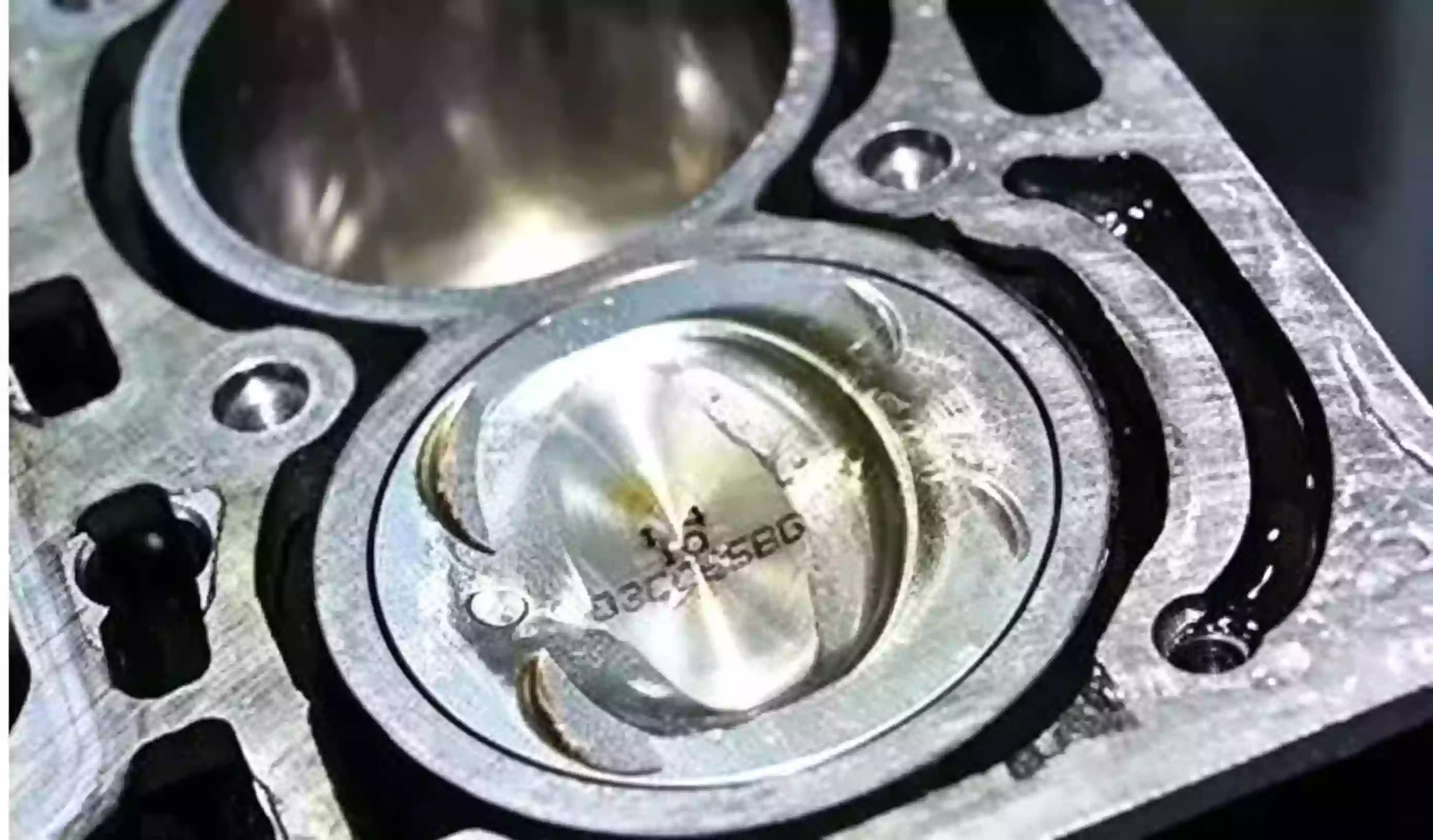
4. Severe carbon deposits on piston rings. Excessive carbon deposits stick or seize piston rings inside the ring grooves. Meanwhile, carbon deposits act as hard abrasives and grind longitudinal grooves on the cylinder wall.
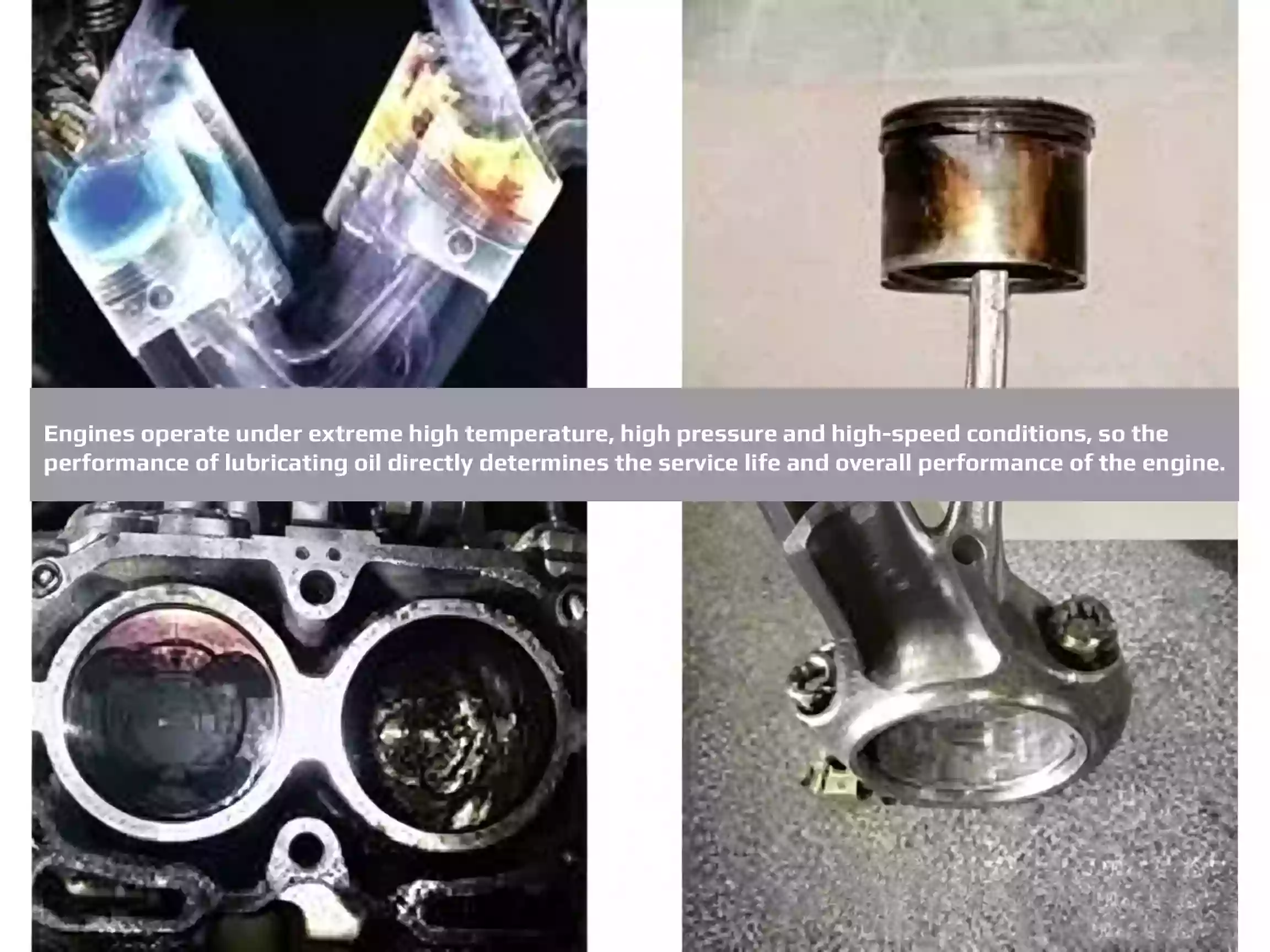
5. Severe piston cylinder offset. Bent and twisted connecting rods, as well as excessive parallelism and coaxiality errors of the connecting rod journals, main journals and piston pin bosses, will cause obvious piston offset inside the cylinder. This accelerates wear of piston rings, pistons and cylinder walls and disrupts oil film formation.
Causes Related to Cylinder Liners
1. If the roundness and cylindricity tolerances of the cylinder liner exceed allowable limits, the sealing performance between the piston and liner will drop drastically. High-temperature gas inside the cylinder blows downward, breaking the oil film between the piston and cylinder wall and triggering cylinder scuffing.
2. Deformation of cylinder liners during assembly. For instance, excessive protrusion of the liner top face will deform the liner after cylinder head installation; oversize liner water sealing rings will also deform the liner when pressed into the engine block. Both conditions readily lead to cylinder scuffing.
Causes Related to Operation and Usage
1. Poor sealing of the air filter reduces filtration efficiency. Dust, sand and other impurities in the air are drawn into the cylinder and cause abrasive wear. Tests show that intake of only a few grams of dust per day can increase cylinder liner wear by more than 10 times.
2. Inadequate running-in. For new engines or overhauled engines, the surfaces of cylinder liners, pistons, piston rings and other parts feature numerous microscopic irregularities, making it difficult to form a stable lubricating oil film. If the engine is operated under heavy load immediately without proper running-in, failures such as cylinder scuffing are likely to occur.
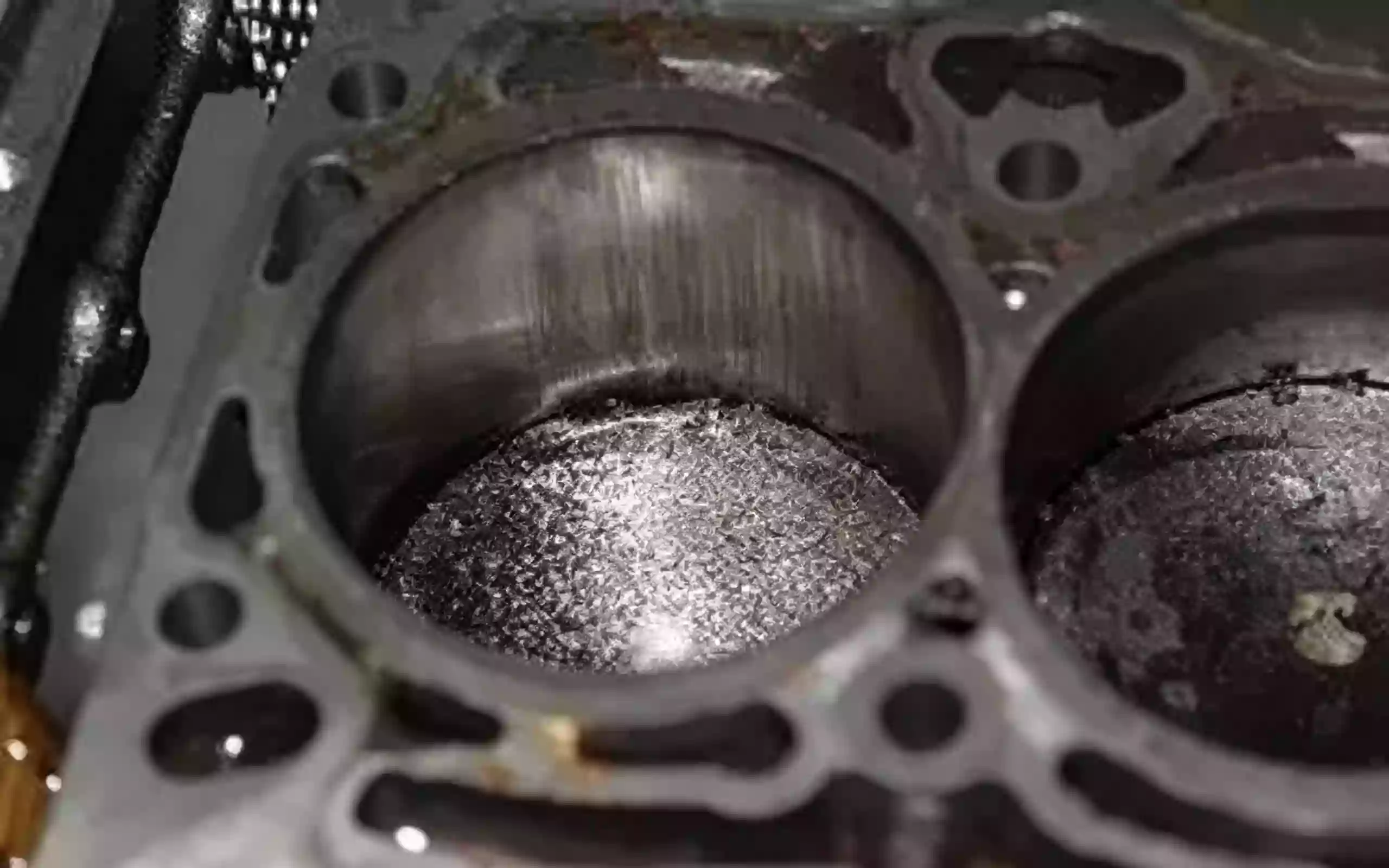
3. Frequent cold starts. During cold startup, lubricating oil has high viscosity and poor fluidity, making it hard to build an effective oil film on the inner cylinder wall. Tests by research institutions indicate that when a diesel engine operates under load with coolant temperature below 30°C, the wear of components such as cylinder liners is 5 to 7 times that under normal coolant temperature.
4. Engine overheating. Poor cooling system maintenance or overloaded operation leads to excessively high engine temperature, which not only reduces the mechanical strength of parts but also prevents the formation of lubricating oil film on the cylinder inner wall. After thermal expansion, pistons and other components are prone to seizure inside the liner, usually resulting in partial piston melting, scoring damage to the liner inner wall and forced engine stall.
In practical operation, cylinder scoring is usually caused by a combination of multiple factors. For instance, if an unbroken-in engine is operated under full load immediately after a cold start, cylinder scoring failure is highly likely to occur.
Main Preventive Measures Against Cylinder Scoring:
1. New engines and overhauled engines must undergo break-in operation first. Under adequate lubrication, strictly follow the break-in procedure by gradually increasing rotational speed and load from low to high. Only after completing the full break-in process can the engine be put into formal full-load operation.
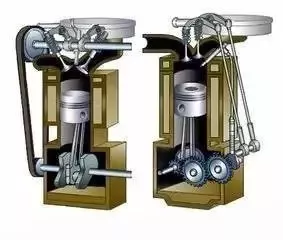
2. Select and match properly the clearance between piston skirt and cylinder liner, as well as the end clearance and side clearance of piston rings in accordance with the specifications stated in the operation manual. In addition, piston cylinder offset must be strictly controlled during overhaul, and the dimensional accuracy of cylinder liners shall be guaranteed.
3. Maintain the normal coolant temperature within 70°C to 95°C to prevent engine overheating. Preheating measures shall be adopted before startup in winter.
4.Operate the engine properly; avoid overloaded operation, random revving and startup without sufficient cooling water.
5. Strengthen the maintenance of the air filter to strictly prevent dust from being sucked into the cylinder.
6. Maintain the lubrication system well to stop mechanical impurities and carbon deposits from mixing into engine oil, which would accelerate cylinder liner wear.
7. Ensure sufficient engine oil supply and use oil of qualified quality.
When mechanical faults are ruled out and oil-related causes are investigated, there are four influencing factors as follows:
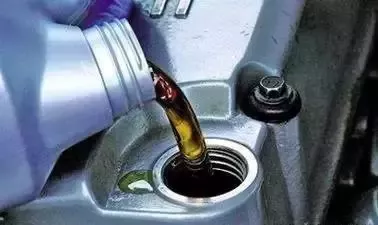
(1) Improper selection of engine oil viscosity
For aged vehicles with moderately worn cylinders, engine oil with slightly higher base viscosity shall be adopted. For example, if 15W-40 oil is originally recommended, 40-grade oil can be used when temperature conditions permit. Nevertheless, oil with excessively high viscosity shall not be selected. If the original 15W-40 oil is directly replaced with 50-grade oil, the overly thick oil may fail to reach the cylinder wall and cause lubrication failure and cylinder scuffing.
(2) Improper engine oil grade selection
SG and SJ grade oils are recommended, yet SF grade oil may be substituted to cut costs. In some cases, users replace recommended SJ 40 oil with SG 50 oil, mistakenly believing that higher viscosity can make up for the lower grade. Engine oils of different grades contain distinct additives and differ greatly in extreme pressure resistance and anti-wear performance, which cannot be simply compensated by high viscosity alone. Low-grade oil may trigger cylinder scuffing due to insufficient anti-wear properties.
(3) Excessive impurities in engine oil
After a period of service, engine oil will inevitably deteriorate and produce sludge, carbon deposits and other substances. If the filter screens in the oil delivery system malfunction — such as failed oil filters or suction strainers — contaminated oil will circulate to the cylinder assembly and cause cylinder scuffing.
(4) Failed air filter
Impurity-laden air enters the engine and mixes contaminants into the engine oil. This exerts a severe impact on vehicles prone to oil consumption and blow-by. It can be seen that cylinder scuffing can be triggered by either mechanical failures or lubrication system faults. Cylinder scuffing rarely stems from inherent poor oil quality; it has little to do with the oil itself. The decisive factors lie in owners’ correct oil selection and routine vehicle maintenance practices.
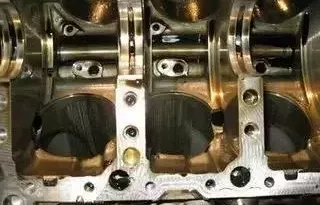
Many people know that excessively thin engine oil with low viscosity easily triggers low oil pressure warning lights and poor lubrication. To avoid such problems, some mistakenly believe that the thicker the oil, the better. They even judge oil quality solely by viscosity: touching, pinching, shaking the oil container, listening to sounds and observing flow, and take high-viscosity oil as premium oil without checking its grade and specification. Such misjudgment and improper oil selection are quite common. In fact, each specific vehicle has matched oil grades and viscosity grades, and high-viscosity oil is not suitable for all vehicles. It is true that aged vehicles have worn components with larger clearances at friction points, and high-viscosity oil can enhance sealing and deliver better performance for these cars.


